Blog ·
Planning Your Wedding Day Videography Timeline
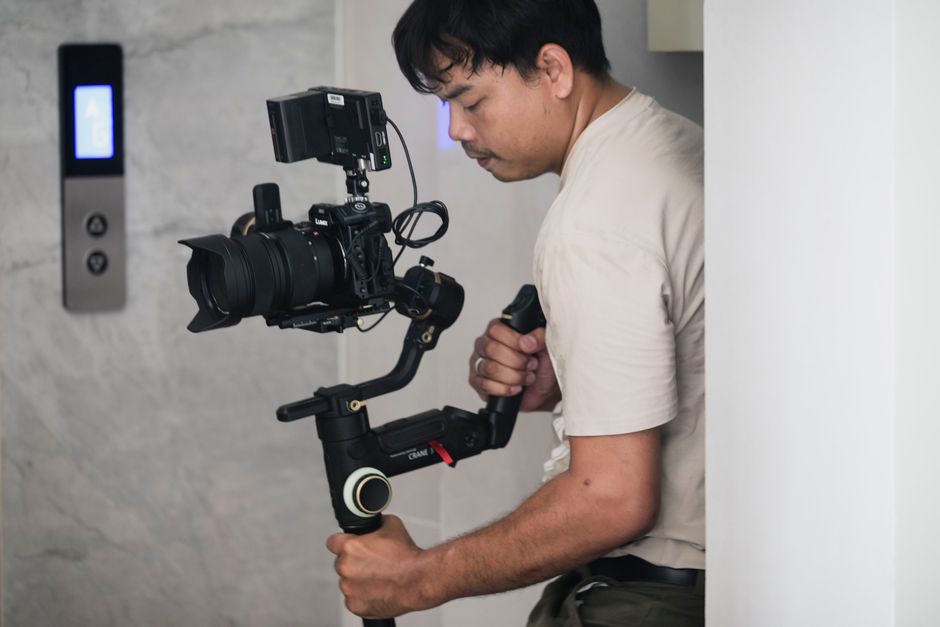
A well-structured videography timeline is the foundation of a beautifully captured wedding day. Your videographer needs to understand not just the major moments, but also the quiet transitions between them. This comprehensive planning ensures no meaningful moment is missed and that your film flows naturally from beginning to end.
Pre-Ceremony Coverage
Start your videography timeline hours before your ceremony begins. This period captures the energy and anticipation of getting ready—the details of your dress, the final touches of styling, reactions from family members, and candid moments of laughter and nervousness. These authentic moments create the emotional foundation for your entire film. Plan to have your videographer arrive at least three to four hours before your ceremony start time.
Strategic Positioning
Your videographer needs to know your ceremony layout in advance. This includes:
- Where your aisle is positioned
- Lighting conditions throughout the venue
- The best angles for capturing vows and reactions
- Any surprise moments you're planning
Capturing Key Moments
The ceremony itself typically lasts 20 to 40 minutes, but every second matters. Your videographer should be prepared to capture your entrance, the exchange of vows, ring presentations, the kiss, and the recessional. The most powerful footage often comes from close-up shots of faces during emotional moments and wide shots showing the full scene and guest reactions.
Reception Timeline Considerations
Receptions offer a different dynamic. Your videographer should understand the planned order of events: cocktail hour, grand entrance, first dance, toasts, dinner, cake cutting, and dancing. Having this schedule in advance allows your videographer to position themselves strategically and anticipate the moments you care about most.
Planning Buffer Time
Real weddings rarely run exactly on schedule. Build buffer time into your timeline to account for delays in photography, guest arrivals, or unexpected adjustments. Your videographer's flexibility and understanding of the full day helps them adapt when timing shifts.
Communication Is Key
Share your detailed timeline with your videographer well before the wedding day. Discuss which moments matter most to you, any first looks you're planning, and any surprise elements. If you want specific coverage of family traditions or cultural elements, communicate these preferences clearly.
A thoughtful videography timeline transforms your wedding day into a cohesive narrative. Your videographer becomes a storyteller who captures not just events, but the emotions and connections that make your wedding uniquely yours. Take time to plan this carefully, and you'll have a film that truly reflects your celebration.